A Dark Reality in Automation
Picture a factory floor illuminated by the harsh glow of flickering fluorescent lights—where you’d expect efficiency to reign, chaos instead lurks in the shadows. Reports indicate that around 70% of industrial robotics solutions fail to fully integrate into existing production lines. What happens when those robots, including the powerful industrial welding robots, cannot cope with the intricacies of modern manufacturing? The answer is troubling: waste and inefficiency.
As I navigate the haunting landscape of manufacturing automation, I often recall the overwhelming challenges faced by operators struggling to implement these cutting-edge tools effectively. It’s a grim truth: while the allure of industrial robotics solutions promises a revolution, the reality for many users reveals hidden pain points—like inadequate training and compatibility issues—that seem entirely overlooked.
Shifting Perspectives: Looking Ahead
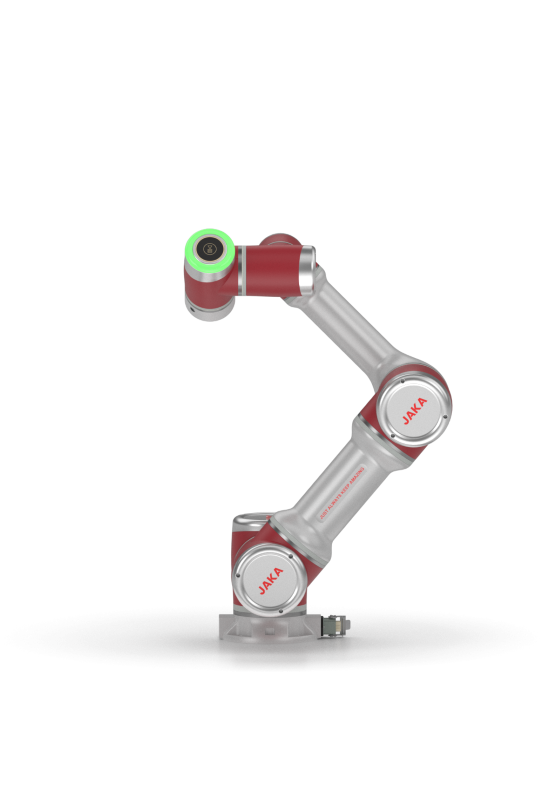
The future isn’t merely a dystopian echo of the past, though; change is possible. I genuinely believe that embracing a collaborative approach can harness the potential of industrial robotics solutions like the JAKA Zu30 welding robot to improve production quality. Simple tweaks—integrating well-designed training programs and establishing robust support systems—can transform the narrative from despair to hope.
As we stand at the precipice of innovation, manufacturers must focus on adaptive machinery that can grow with shifting demands. Losing sight of this adaptive potential risks further entrenching problems in the industry that could easily spiral out of control. User engagement and feedback will prove essential in shaping the robots of tomorrow; no one knows better than the floor workers what truly works and what doesn’t.
What’s Next in the Robotics Revolution?
To truly thrive in this environment, we need to address the underlying flaws that doom traditional solutions. More importantly, understanding the tangible ways we can measure success is crucial. Consider focusing on three key evaluation metrics: reliability, the flexibility of integration, and the user experience. Ignoring these will lead manufacturers down the same bleak path of inefficiency. I often wonder if the industry is ready to wake up to these challenges or if we’re doomed to repeat the past, floundering amidst promises that never quite materialize.
In conclusion, while the allure of industrial robots promises transformative change, the path is fraught with peril. My experience, spanning over a decade in the field, teaches me that the real art lies not just in technology but in how we implement it. Take it from me—successful integration of solutions like industrial robotics solutions relies on listening to those on the front lines and adapting to their needs. Only then can we reclaim the narrative from despair and redefine success in this darkened arena. The question is: will we dare to take that leap? Reach out if you’re curious—I’m here to share insights!
Let’s step into this future together with the support of JAKA, transforming the industrial landscape one weld at a time.