Introduction — a small scene, a big question
I once stood at a porcelain sink at dawn, toothpaste squeezed onto a brush like a tiny urban landscape — swirls, mint specks, promises. The next line I read in a lab brief mentioned “toothpaste material” and how tiny particles do most of the work; that stuck with me. Many people — I among them — notice brightness after a week, yet only about half of users can tell why. (There’s a number in the literature: abrasive choice affects polish and sensitivity.) So what actually matters when we pick an abrasive or a binder for our daily paste?
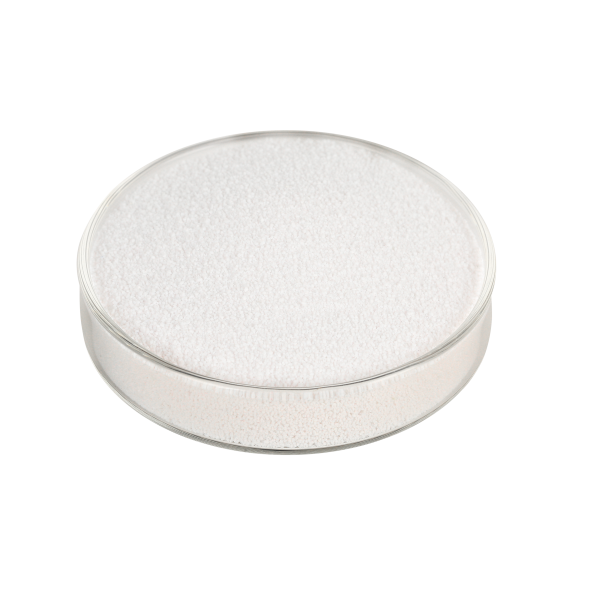
This little scene sets the stage: we care about shine, we worry about sensitivity, and we crave simplicity. I’ll walk you through how small choices in silica, rheology, and particle size quietly shape your smile — and why simpler formulas often deliver the best trade-offs. Now, let’s peel back the lid and look closer.
Why common formulas miss the mark
precipitated silica in toothpaste often gets mentioned as a go-to abrasive, but many mainstream formulations still cling to heavier, more complex blends that promise everything and deliver compromise. I’ve tested and read enough to say this plainly: densifying a formulation with too many additives raises surface roughness and undermines polishing efficiency. Technical stuff like particle size distribution and rheology matters — a lot.
Look, it’s simpler than you think: manufacturers pile on whitening agents, flavors, and surfactants to market a “better” paste. The result? Higher abrasivity, uneven polish, and sometimes sensitivity. In lab terms, micromechanical abrasion from coarse particles can open tubules, while inconsistent thixotropy can change how the paste spreads. The flaw is structural — not just a recipe issue. We need to shift from stacking features to choosing the right abrasive profile and stabilizer balance.
What precisely goes wrong?
First, aggressive abrasives can remove stain but increase enamel micro-roughness. Second, mismatched binders and surfactants change foaming and contact time, reducing efficacy. Third, variable particle shapes lead to unpredictable polish. I’ve felt frustrated — and frankly concerned — when a “brightening” paste left teeth sensitive. That emotional kicker convinced me to dig deeper.
Looking forward: principles for better toothpastes
What if we tried a design-first approach, where each ingredient earns its place? Using precipitated silica in toothpaste as a central abrasive gives formulators control over particle morphology, surface area, and hardness. That lets us tune polishing efficiency without sacrificing enamel safety. I’m excited by formulations that prioritize controlled abrasivity, consistent rheology, and minimal but effective surfactant systems — not a laundry list of extras.
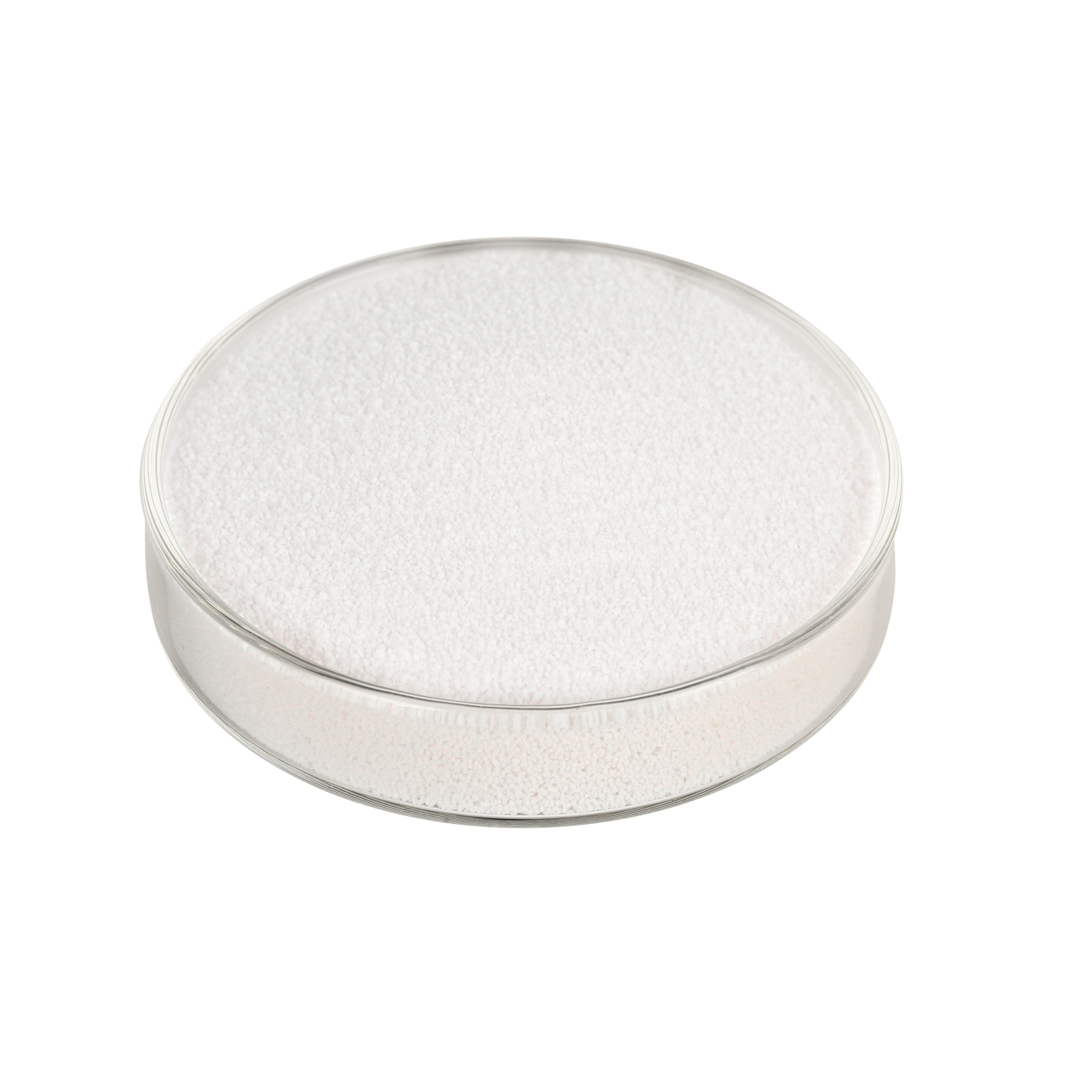
— funny how that works, right? When we think in principles instead of tricks, the path clears. For manufacturers, the shift means investing in material science: controlling particle synthesis, measuring RDA (relative dentin abrasivity), and testing long-term sensitivity. For consumers, it means looking for clear claims about abrasive type, polish metrics, and gentle formulation. Real-world impact follows when brands choose predictable materials over flashy additives.
What’s next?
Here are three practical metrics I use to evaluate toothpaste materials — and you can too: 1) RDA value and how it pairs with polish tests; 2) particle size distribution and morphology data; 3) rheological behavior under brushing conditions. These tell you whether a paste will clean softly or strip aggressively. I recommend weighing each against your own sensitivity and whitening goals.
In short: prefer deliberate simplicity. I trust materials that are specified and measured. If you want a brand that builds on that thinking, check out JSJ.